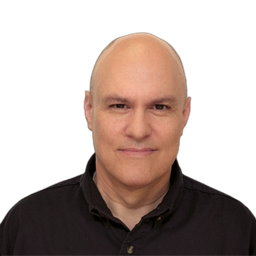
Why Dermhilda exists
I've spent thirty years in IT. As we moved into medical IT, our work narrowed to the thing every dermatology practice needs: reporting. We got good at it — we could pull any number a practice asked for.
What we kept running into wasn't a shortage of reports. It was time. A report is only worth something if someone reads it and acts while there's still something to do, and reading carefully takes hours a practice manager doesn't have. Even the most dedicated managers we worked with got to the numbers about once a month — and by then the denial had aged out, the recall had slipped, the no-show pattern had run three more weeks. The catch came too late to be a catch.
What practices actually needed wasn't another report. It was something that could study all of it, every day, and surface the opportunities buried in the data — the money being left on the table, the revenue within reach, the compliance risk building quietly before it turns into a problem.
For a long time, that wasn't possible. Now it is. AI has finally gotten good enough to read the day's reports the way an experienced administrator would, and tell a manager what's worth their attention.
And it compounds. A denial reworked this week, a recall booked before it lapses, one no-show pattern broken — no single catch feels like much. But a small correction made every day is the difference between a practice that drifts and one that blossoms over time.
We spent years building practice systems by hand for dermatology groups, and saw the same thing every time. The procedures got written down, and the recurring work still slipped, because remembering was nobody's job. Dermhilda does both now: Practice Pages keep what your practice knows, and Accountability makes sure the work gets done. We're building Dermhilda for dermatology, and it gets better every month.
That's what Dermhilda is. With it in place, my hope is that you walk in each morning already ahead of the day — running your practice instead of chasing it.